Skip to content
With the explosion of artificial intelligence and cloud computing, data centers are accelerating their transition from traditional 10G to 100G/400G. However, during the infrastructure upgrade process, the data center faces the fatal pain points of high construction costs and easy business interruption. How can we achieve a smooth upgrade? Below, we will provide a step-by-step analysis for everyone.
Upgrade Pain Points
The construction cost of traditional architecture remains high
Traditional cabling upgrades often require rewiring of cables. When the scale of data centers is large, the cost of manual reconfiguration of cabling, cable routing design, and re termination is extremely expensive.
- Comprehensive reconstruction of fiber infrastructure: Traditional 10G networks extensively use multimode fiber (such as OM3/OM4) in conjunction with duplex LC interfaces. The 100G/400G network requires lower losses and higher bandwidth, usually requiring a comprehensive upgrade to single-mode fiber. Even to meet the demand for high-density cabinets, it is necessary to lay MPO/MTP high-density prefabricated optical cables on a large scale.
- High price procurement of cables and optical modules: The new generation of high-speed networks requires complex modulation technologies (such as PAM4) for 100G/400G optical modules, with extremely high unit prices. In addition, the transmission distance of old copper cables (such as DAC direct cables) is severely limited in the 100G/400G era, and they must all be replaced with higher cost high-performance active optical cables (AOC) or optical modules.
- The physical renovation of the computer room is difficult: the 400G network has extremely strict requirements for cable bending radius, return loss, and other indicators. The space for wiring racks and cable trays in old computer rooms is often insufficient, and the labor and time costs of rewiring, tying, and organizing cables are exponentially increasing.
Network Outage Risks and Service Disruption
Traditional methods—such as direct fusion splicing or re-cabling—carry a high risk of disturbing or pulling on active backbone cables. Even a minor mishap can trigger a core network outage, resulting in massive economic losses.
- Configuration Complexity Due to Major Architectural Shifts: Upgrading to 100G/400G typically requires evolving the network from a traditional three-tier “aggregation-access” model to a flat Spine-Leaf architecture. This transition necessitates the reconfiguration and debugging of extensive low-level routing and switching protocols, creating a high risk of broadcast storms or routing loops caused by human configuration errors.
- Physical Link Contamination and Frequent Failures: In fiber optic networks, even microscopic dust particles or scratches on connector end-faces can lead to severe packet loss or intermittent link drops when handling high-frequency 100G/400G signals. Frequent plugging and unplugging of patch cords during cutovers can easily contaminate optical ports, causing hidden network outages. (Click here to buy MPO fiber cleaner)
- Chain Reactions from Live Service Cutovers: Performing upgrades while services remain active—without allowing for downtime—requires seamless cutovers driven by precise traffic scheduling (e.g., using protocols like BGP to redirect traffic). Any calculation errors during traffic switching or issues with device firmware compatibility can easily trigger widespread network paralysis.
The Best Choice for Smooth Upgrades – MPO Fiber Cassette
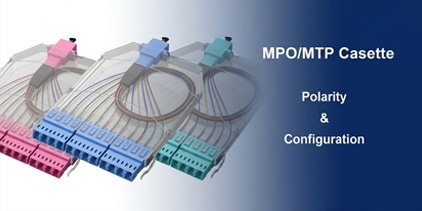
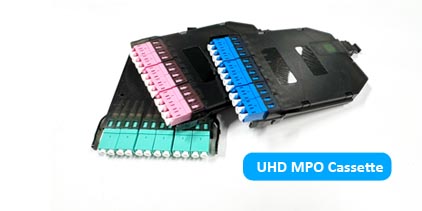
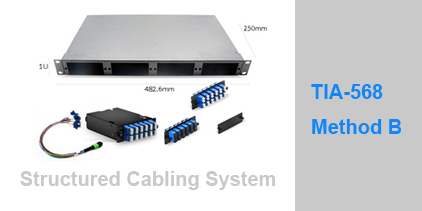
To achieve bandwidth upgrades without impacting core business operations, by utilizing plug-and-play MPO Fiber cassettes, network administrators can complete a full-row upgrade in minutes without on-site fusion splicing, and it is currently recognized as the best smooth upgrade solution in the industry.
- Retain Backbone, No Trenching Required: If you initially installed high-quality single-mode MPO/MTP backbone cabling, there is no need to run new cables through ceiling or floor trays. Existing Base-12 backbones have sufficient raw capacity. When upgrading to 40G/100G/400G, the underlying backbone cables in the data center does not need to be replaced or re-laid, maximizing the protection of initial infrastructure investments.
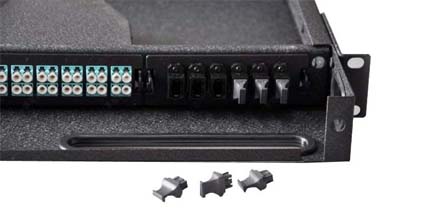
- Zero-Tool Front-End Replacement: The upgrade process is extremely simple; network engineers only need to replace the front-end cassette modules. For example, in a traditional 10G network, a rack might use an MPO LC cassette, splitting the rear 1x MPO-12 into 6x LC duplex ports on the front. When migrating to a native 100G (SR4/DR4) transceiver architecture using MPO interfaces, you simply slide the old MPO LC cassette out of the 1U chassis and plug in a high-density MPO adapter plate, along with the corresponding pre-terminated MPO fiber patch cords, to directly connect to the new 100G/400G switch.
- Plug & Play: The modular design supports tool-free quick installation and removal, greatly shortening deployment time. Simultaneously, the internal fiber is completely encapsulated within the cassette, avoiding damage caused by exposed bare fibers.

By eliminating the need for field termination, this three-step zero-downtime migration strategy reduces installation times by up to 75% and ensures your infrastructure is immediately ready for advanced computing demands.
The Safeguard for High-Speed Optical Modules: The Manufacturer’s 3D Interferometer Report
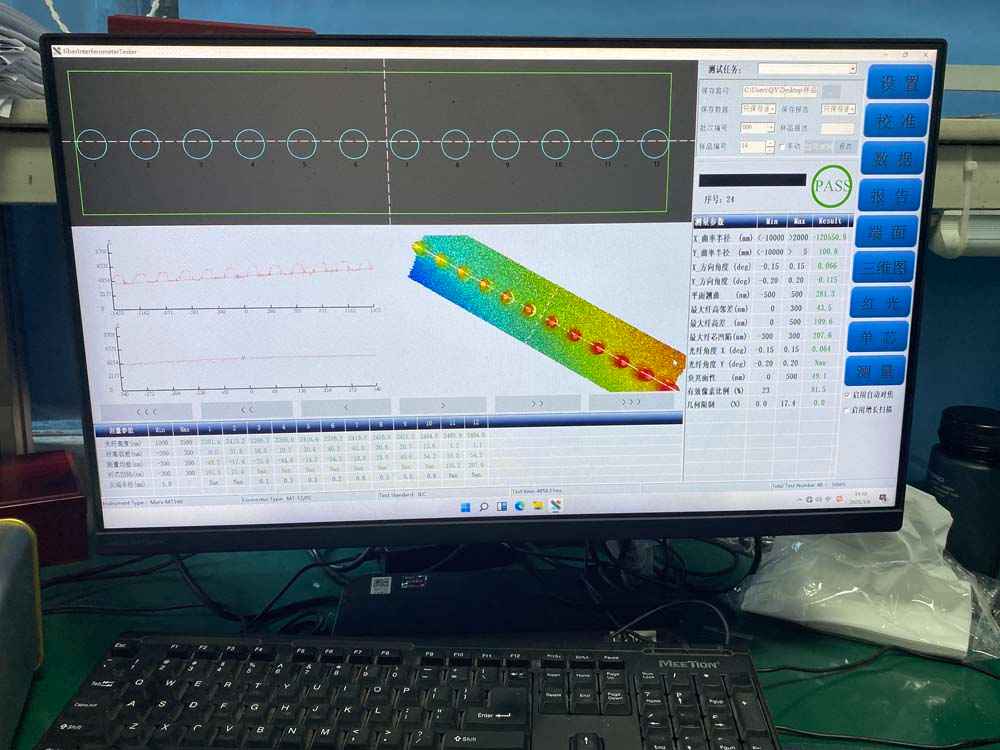
In high-speed networks operating at 400G and beyond, signal baud rates are extremely high, and optical signal tolerance is very low. Consequently, the geometric parameters of the fiber end-face directly determine network performance. The YINGDA-issued 3D Interferometer Report provides essential protection for high-speed optical modules:
• Strict Control of Key Parameters: The report details three critical geometric parameters of the end-face: Radius of Curvature (ROC), Apex Offset, and Fiber Height.
• Prevention of Physical Damage and Return Loss: Only connectors that pass 3D interferometer testing ensure uniform contact pressure during mating. This prevents end-face deformation or the formation of microscopic air gaps, thereby effectively protecting expensive 400G optical modules from scratches and avoiding optical signal attenuation caused by excessive insertion loss and return loss.
Strategies and Recommendations
To advance network evolution while controlling costs and mitigating the risk of service outages, the following strategies are recommended:
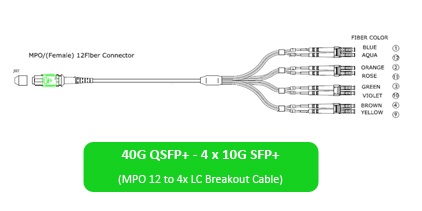
1. Adopt a phased evolution approach (using breakout technology): Utilize breakout cables—such as 400G-to-4x100G or 100G-to-4x25G—to leverage existing equipment, thereby avoiding a “rip-and-replace” scenario.
2. Deploy automated network management tools: Leverage SDN (Software-Defined Networking) to simulate network-wide traffic and automate configuration deployment, reducing errors associated with manual CLI (Command Line Interface) configuration.
3. Implement intelligent out-of-band (OOB) management: Ensure the availability of an independent management network during upgrades, enabling rapid configuration rollback via OOB should the primary service network go down.
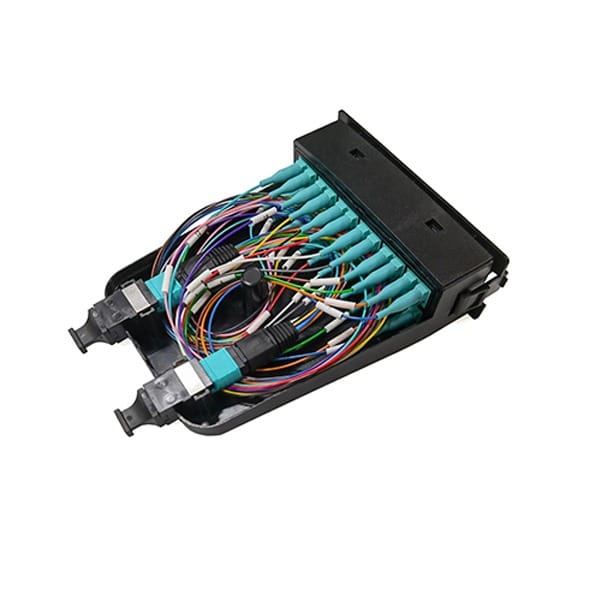
24 Cores OM3 MPO Fiber Cassette
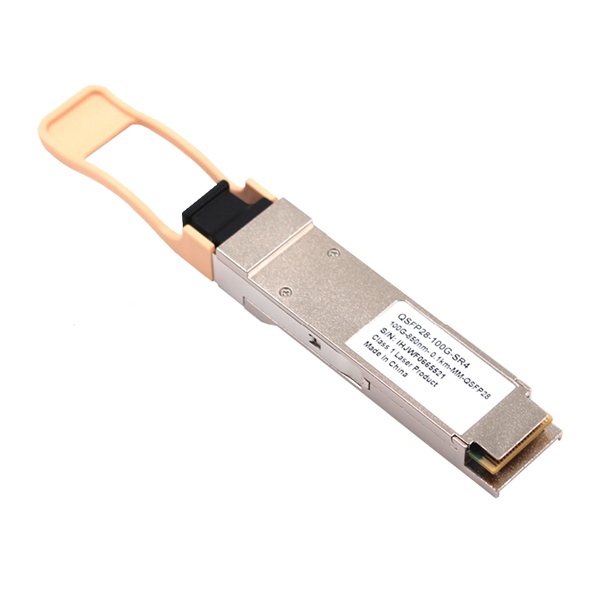
100G SR4 Optical Transceiver Module
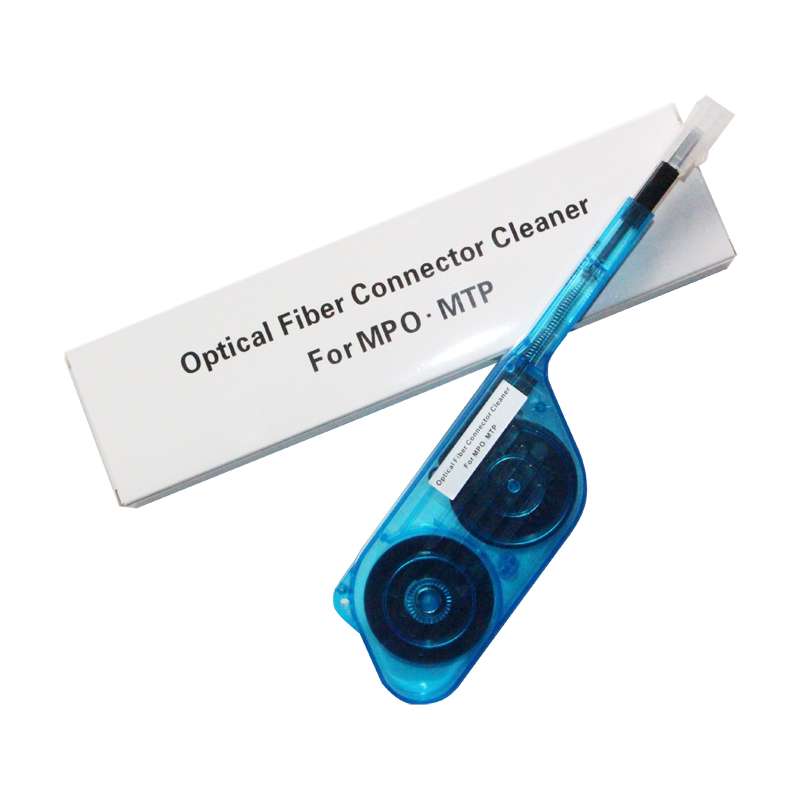
One Click 600+ Times MPO/MTP Fiber Cleaner Pen
Yingda specializes in producing and providing various forms of MPO module boxes, optical modules, and corresponding end face cleaners. Factroy Driect Wholesale Price, Fast Shipping, 100% 3D tested, USCONECT MTP Low Loss Guarantee!