Skip to content
100G CWDM4 QSFP28 and 100G PSM4 QSFP28 are two main single-mode 100Gig SFP transceivers used for long-distance (500m-2km) transmission in data centers. The packaging form is hot pluggable QSFP28, with a working temperature range of 0℃ to 70℃ and DDM digital diagnostic monitoring function. The main differences lie in the working principle, fiber optic interface, and required number of fibers, which result in differences in wiring costs and applicable scenarios.
What is 100G PSM4 QSFP28 transceiver
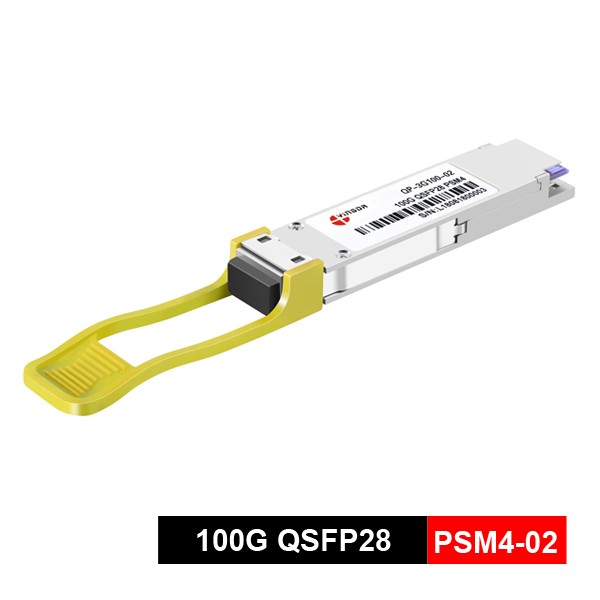
100G PSM4 QSFP28 (Parallel Single Mode 4-channel) is a single-mode transceiver that uses parallel transmission technology. It adopts MPO/MTP12 core interface and is a four channel full duplex transceiver module. Each channel can support a data rate of 25.78Gbps, with a maximum speed of 103.125Gbps and a maximum power consumption of less than 3.5W. It complies with the Multi Source Agreement (MSA) and is a low-power and high-speed product.
What is 100G CWDM4 QSFP28 transceiver
The 100G CWDM4 QSFP28 is a low-cost, low-power transceiver designed specifically for data center interiors and short to medium distance interconnects. It adopts coarse wavelength division multiplexing (CWDM) technology to combine optical signals of different wavelengths (1270nm, 1290nm, 1310nm, and 1330nm) into one optical fiber for transmission, with a transmission rate of 103.1Gbps. The interface is a duplex LC optical interface, and with single-mode jumper OS2, the maximum transmission distance can reach 2KM.
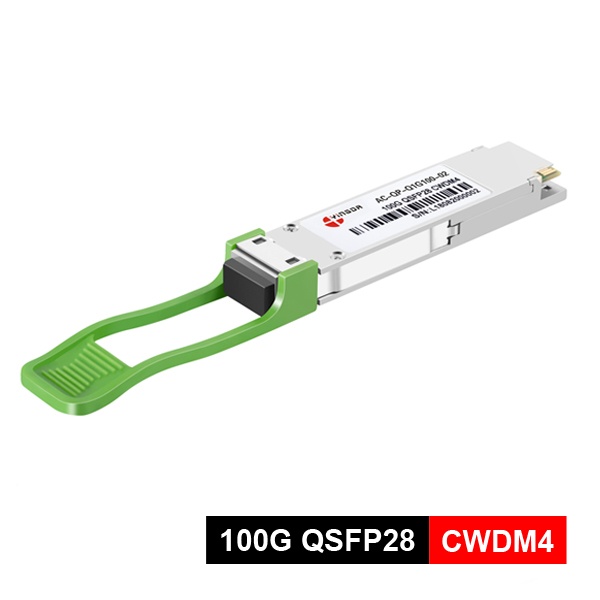
Difference 100G QSFP28 CWDM4 VS PSM4
The main difference between CWDM4 and PSM4 is that PSM4 uses parallel technology+MPO interface (requires 8/12 core fiber, suitable for short distance), which is lower in cost; CWDM4 uses wavelength division multiplexing technology and duplex LC interface (only requires 2-core fiber, suitable for longer distances), which is costly but saves fiber resources.
| Model | 100G QSFP28 PSM4 | 100G QSFP28 CWDM4 |
| working principle | Parallel transmission technology (4 independent channels in parallel) | Wavelength Division Multiplexing Technology (4 wavelengths multiplexed onto a single optical fiber) |
| center wavelength | All four channels are 1310nm | 1271, 1291, 1311, 1331nm (spaced 20nm apart) |
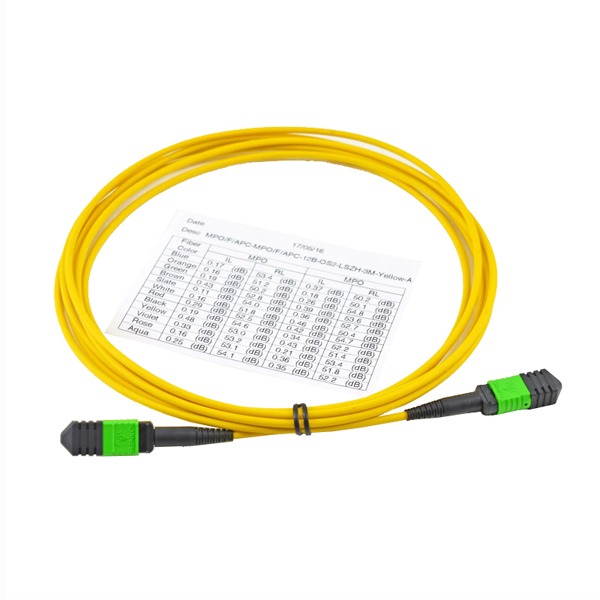
| fiber optic interface | MPO/MTP interface (usually 12 cores, with 8 cores enabled) | Duplex LC interface |
| Fiber optic type | SMF OS2 | SMF OS2 |
| Number of optical fibers | 8-core (4 receive 4 send) | 2-core (1 receive 1 send) |
| transmission distance | 500 meters (up to 2 kilometers) | 2 kilometers |
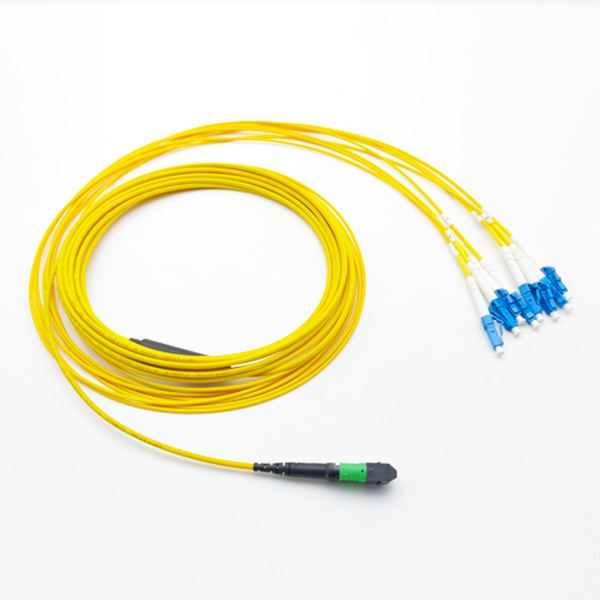
| One quarter branch | Support (can be directly connected to 4 25G SFP28 through MPO to 4xLC jumper) | not supported |
| cost structure | The module cost is relatively low (with a relatively simple internal structure and no optical multiplexer/demultiplexer), but the fiber optic wiring cost is high | The module cost is relatively high (with internal integration of Mux/Demux chips), but the fiber optic cabling cost is low |
| Main applications | Shorter interconnection (within 500m) | Long distance interconnection (500m-2km) |
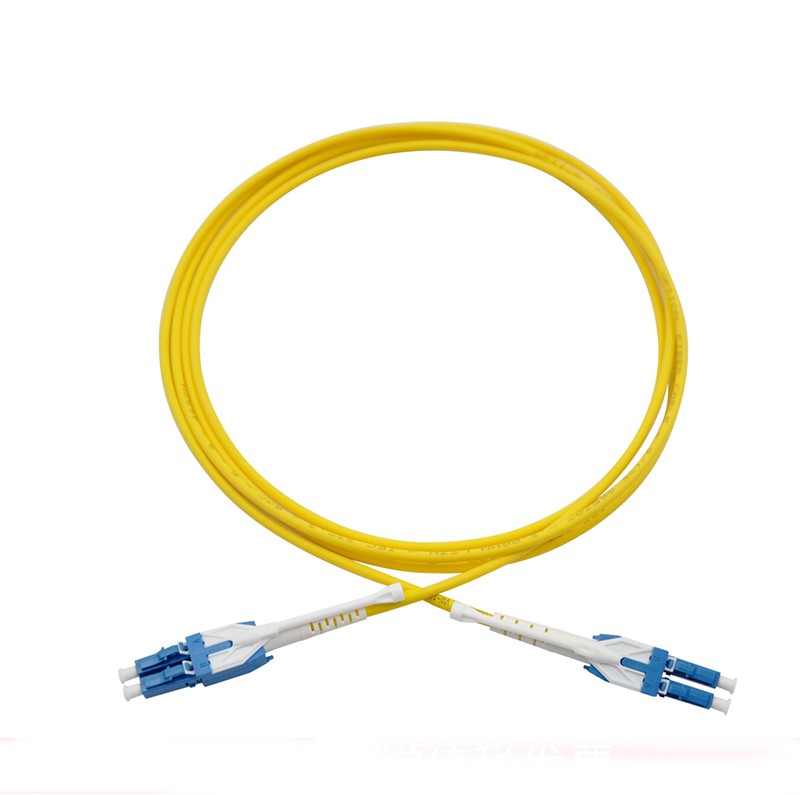
| Fiber optic patch cords for docking | MPO to LC breakout cable | LC to LC duplex patch cord |
Detailed Explanation of Differences
Technical principles and wavelengths
- PSM4: 100G PSM4 optics use parallel single-mode 4-lane technology, and a single DFB laser inside. The signal is transmitted through four independent silicon photon modulators with the same 1310nm wavelength in four optical fibers, the same to receive the signal, in total eight optical fibers.
- CWDM4: 100G CWDM4 optics use coarse wavelength division multiplexing 4-lane technology, the module integrates four different wavelength DML uncooled lasers. At the receiving end, four wavelengths (1271, 1291, 1311, 1331nm) are combined into one optical fiber through a built-in multiplexer (Mux) for transmission, and then separated and restored by a demultiplexer (Demux) at the receiving end.
Optical interface and wiring costs
- PSM4: 100G PSM4 use MPO/MTP interface, at least 8 fibers are required. The cost of PSM4 transceiver is much lower than that of CWDM4. When connecting short distances (≤ 500 meters), if there are abundant fiber resources and the cost of fiber patch cords is not high, the PSM4 overall solution is more cost-effective.
- CWDM4: 100G CWDM4 use duplex LC interface, only dual fibers are required. When crossing large distances (such as 500 m to 2 km between data center buildings) or when single-mode fiber resources are limited, CWDM4 can achieve 100G transmission with only 2 fibers at both ends, which can significantly save fiber resources. Although the 100G SFP price is higher, the overall wiring cost of CWDM4 is lower.
Application Scenario Selection
- Choose PSM4: It is mainly used for short distance interconnection between adjacent racks in the same data center room, and the transmission distance is within 500m (commonly 100m-500m). At this time, MPO/MTP fiber resources can be managed, and using PSM4 can save module costs. Its biggest advantage is support for branch links (Breakout), which can directly split 100G ports into 4 x 25G ports for use when upgrading the network.
- Choose CWDM4: If it is a data center core switch to aggregation switch, or if the data center is connected across different buildings or campuses, and the transmission distance is about 2km, CWDM4 is the first choice to save expensive single-mode fiber resources.
If you are planning data center cabling, please let us know the estimated transmission distance and whether you need 1 to 4 breakout architecture. We can recommend the most economical overall configuration solution for you.
Yingda can provide various optical transceivers modules, fiber patch cords, MPO trunk cable, and MPO breakout cable for cabling. Contact us for a quotation.